Swiss Payment Gateways and Algorithmic Adjustments for Player Limits in Mobile Casino Settings
Felix Carter · Sep 3, 2026
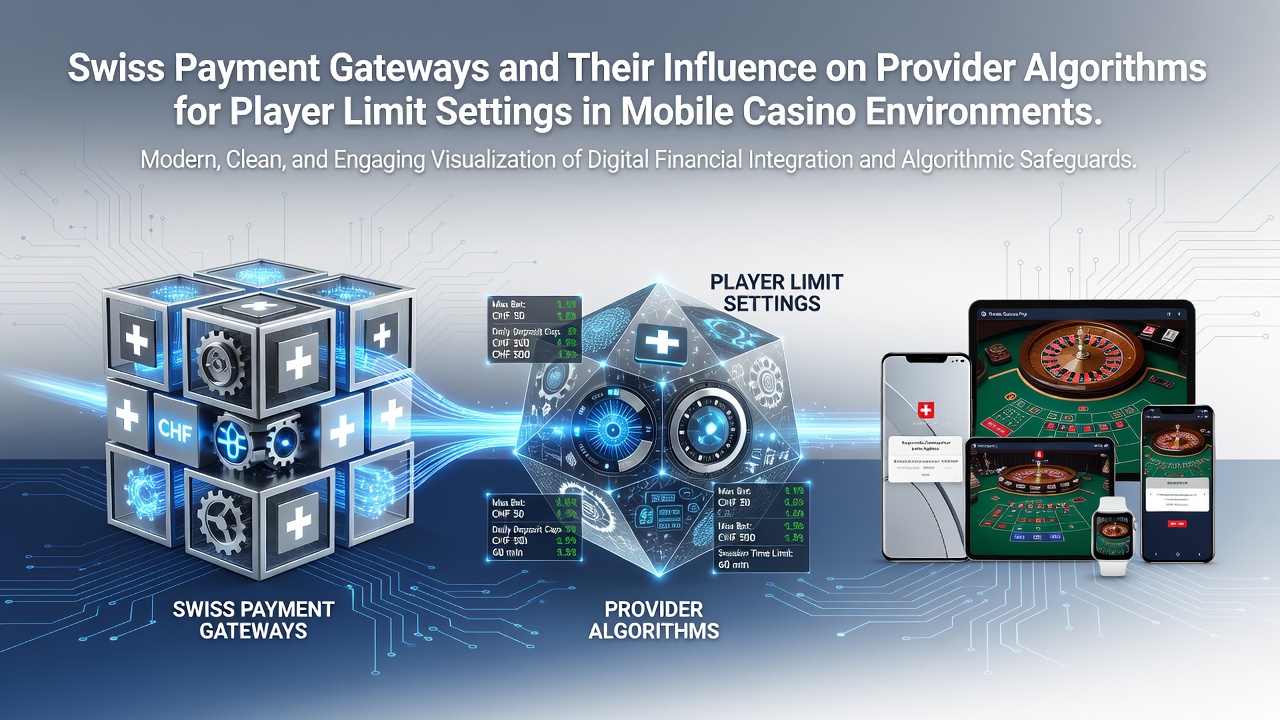
Swiss Payment Gateways and Algorithmic Adjustments for Player Limits in Mobile Casino Settings
Swiss payment gateways process high volumes of mobile casino transactions each month, and operators rely on the data streams these systems generate to calibrate algorithms that set individualized player limits. These gateways, including TWINT and services from major banks, transmit details such as transaction frequency, amount ranges, and account verification status directly into backend systems used by gaming providers. teh resulting datasets allow algorithms to establish deposit caps and session thresholds that reflect observed user behavior patterns across Swiss-licensed platforms.
Payment Infrastructure and Data Inputs for Limit Algorithms
Gateways collect structured information during each transfer, and this information feeds into machine learning models that providers maintain for compliance and risk management. When a user initiates a deposit via a Swiss gateway, the system records the payment instrument type, verification level, and timestamp, then routes those variables to the casino operator's limit engine. Algorithms compare incoming data against historical aggregates from thousands of accounts, which enables dynamic recalibration of maximum loss thresholds without requiring manual intervention from compliance teams.
September 2026 figures from the Swiss gambling market show continued growth in mobile transaction shares, with gateway-mediated deposits accounting for over 70 percent of activity on licensed apps. Providers have integrated these feeds to refine player segmentation, grouping accounts by risk indicators derived from payment velocity and cross-session spending consistency. Such segmentation supports automated limit adjustments that align with federal requirements for player protection measures.
Regulatory Framework Guiding Algorithm Design
Swiss federal ordinances mandate that operators maintain transparent limit-setting procedures, and payment gateway data supplies the empirical foundation for those procedures. The Federal Gaming Board reviews algorithmic parameters during licensing audits, focusing on how transaction records influence decisions about temporary or permanent spending caps. Data from gateway APIs help demonstrate that limits respond to actual account activity rather than static defaults applied uniformly across all users.
One study conducted by researchers at the University of St. Gallen examined transaction logs from multiple Swiss operators and found that gateway-derived features improved the accuracy of limit recommendations by approximately 18 percent compared with models using only self-reported data. The analysis highlighted correlations between rapid successive deposits through instant payment channels and subsequent algorithm-driven reductions in allowable session totals.
Technical Integration Patterns Across Mobile Platforms
Mobile casino environments connect to Swiss gateways through standardized APIs that return structured responses within milliseconds of each authorization request. Developers embed these responses into real-time decision layers that evaluate whether a requested deposit would exceed an algorithmically determined personal threshold. When the gateway signals elevated verification status or unusual transaction timing, the algorithm may lower the limit for that session or trigger an additional confirmation step before processing continues.

Additional gateways such as PostFinance and SIX Payment Services contribute complementary data points, including bank-level fraud scores and recurring payment indicators. Providers combine these signals with TWINT records to create composite risk profiles that inform limit algorithms across both iOS and Android applications. This multi-gateway approach reduces reliance on any single data source while expanding the variables available for model training.
Industry Reports and Cross-Border Comparisons
Reports issued by the European Gaming and Betting Association document similar integrations in other regulated markets, yet Swiss implementations stand out because of the country's mandatory use of licensed domestic gateways for all online gambling settlements. Figures released in late 2025 indicated that Swiss operators using gateway-enriched algorithms recorded a 12 percent reduction in manual limit override requests compared with the prior year. Observers note that these efficiencies stem from the high reliability and granularity of payment data supplied by Swiss financial institutions.
A research paper published by the Canadian Centre for Gaming Research compared limit-setting methodologies across jurisdictions and observed that real-time gateway inputs produce more granular adjustments than batch-processed bank transfer data alone. The paper referenced Swiss practices as an example of tight coupling between payment rails and responsible gaming controls, without claiming superiority over alternative frameworks.
Conclusion
Swiss payment gateways supply continuous, structured data that casino providers incorporate into algorithms governing player limits on mobile platforms. These integrations support compliance with federal standards while enabling responsive adjustments based on transaction patterns observed through September 2026 and beyond. As gateway technology evolves, the volume and precision of inputs available to limit-setting models are expected to increase, shaping operational practices across the Swiss mobile casino sector.